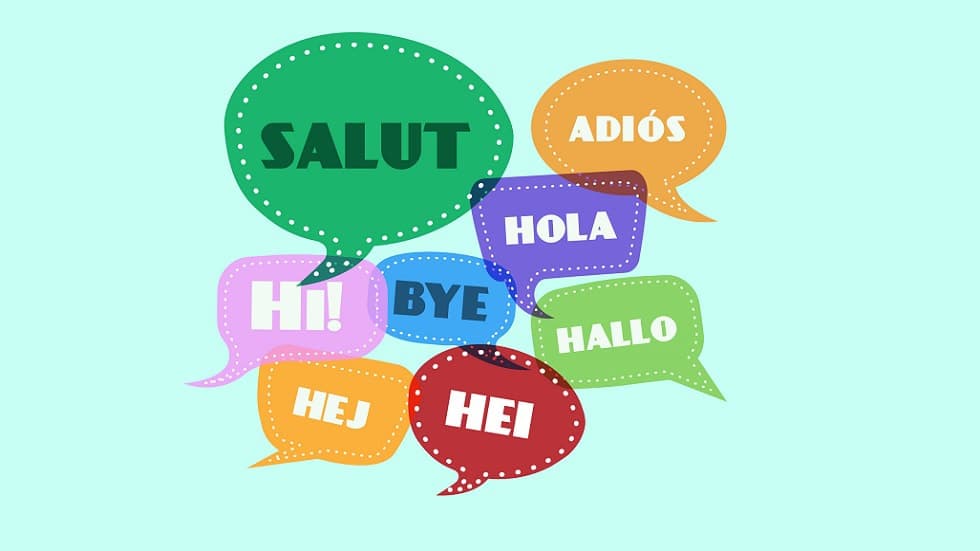
Due to the huge developments in technology in the past 10 years, we have a vast amount of information on nearly any topic at our fingertips. Learning a new language has become less and less daunting as a result of the numerous websites and blogs available to aid your learning objective. Like any teaching environment, each website has a different style and technique of educating. From visuals and audio to grammar drills and list style of conjugating, the ability to learn a new language is more than achievable.
I reviewed 4 different LL websites to see what I find most effective/ineffective regarding their teaching techniques. The target language I chose is Spanish, I have been studying it for 6 years now, so it’ll be interesting to see how these websites not only can help a beginner language but also intermediate/advanced.
Duolingo is one of the most popular websites used to learn a language today. Available to use as an app on your smartphone aswell, it is easily accessed and also free of charge. As soon as you log into it you have the option to take a test to find the level of your proficiency and the app will bring you to whatever level you achieved. As well as testing your grammar and expanding your vocabulary, it also sounds out the words and sentences as you see them. It shows you where you make your mistakes and by hovering over words it translates them. I found the website effective and helpful.
Babbel is another website I looked at, similar to Duolingo, the only difference being it charges you for full access of the website. I found there was more languages available to learn on Babbel, however you can get the same services for free on Duolingo.
During secondary school a website I often used to study with was Spanishdict. If you are studying a new language you will find that google translate directly translates the sentences you type into it, which more often than not can be wrong because phrases don’t usually directly translate into another language. Spanishdict is a website that translates specific phrases and when you look up words will show examples of how and when you would use them. It also shows how to say the word. I really liked using this website, I found it really helpful when trying to build up vocabulary and say specific things. It also shows the conjugation of verbs.
Lastly the final LL website I will be discussing is YouTube. There are numerous channels available to you that can help you understand and learn a new language. The Spanish Dude is a perfect example. I find it really helpful when I’m revising a tense or grammar rule I learned, to go on YouTube and find a video explaining it. They usually use examples and made up situations to put it into use. It’s a very quick and useful way of revising.
YouTube would have to be one of my favourite ways of using websites or technology to help me study. It’s easy to access and a very quick way of revising, and there is always audio so it helps me with my pronunciation as well as my ability to understand. The criteria I would look at when determining the effectiveness of a LL website would be :
- Is it easy to access?
- Do I have to pay for service?
- How good is it at explaining?
- How much information is available?
- How effective is it regarding what it is teaching me?
I hope you enjoyed my first blog post. Adios!
 Miriam's Blog